Introduction: Bringing High-Performance GPU Computing into Vehicles
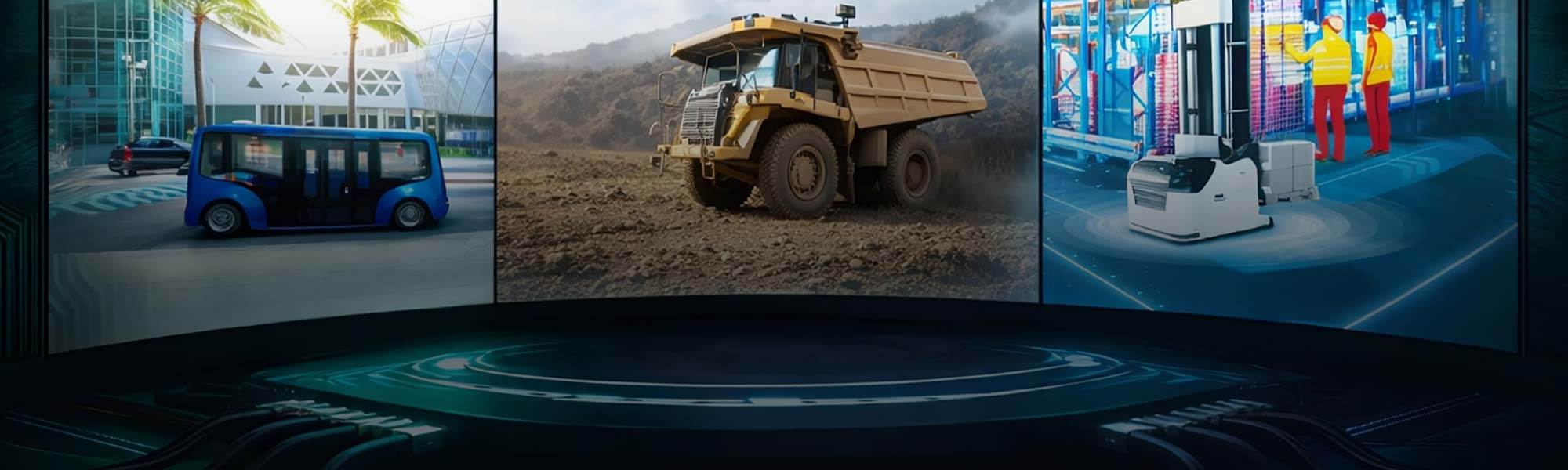
Autonomous driving and mobile AI applications often necessitate advanced GPU computing capabilities inside vehicles to handle sensor fusion, real-time decision-making, and AI inference workloads. Unlike traditional indoor computing environments, vehicles operate under constantly changing conditions—uneven terrain, long-term vibration, elevated ambient temperatures, and unstable power sources all place significant stress on high-performance systems.
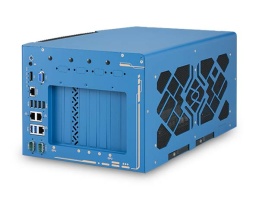
The Neousys embedded GPU computers are engineered specifically for these real-world vehicle environments. By combining robust mechanical design, purpose-built thermal architecture, and stable high-power support, the GC series enables reliable GPU computing in vehicles while simplifying deployment and long-term operation.
Solving the Core Challenges of In-Vehicle GPU Computing
Vibration-Resistant Design for Heavy, High-End GPUs
Vibration is one of the most critical challenges in vehicle computing, particularly for GPU-based systems. In real-world deployments—such as off-road vehicles, industrial fleets, or autonomous machine operating environments are inherently uneven and dynamic. These conditions introduce sustained vibration forces from multiple directions, including vertical movement, which can gradually degrade mechanical interfaces and signal stability. As a result, system and mechanical design must be engineered to withstand multi-axis vibration to maintain long-term reliability.
This challenge becomes more severe as modern GPUs continue to grow in size and weight. A GPU is no longer just an electrical component—it is a significant mechanical load, with supported GPUs ranging in weight, some reaching over 2 kg each. If the GPU, platform, and enclosure are not designed as a unified structure, long-term operation can result in connector fatigue, unstable signals, or unexpected system failure.
Neousys' GC series addresses this at the system level:
- GPU mounting structures are reinforced to ensure secure fixation points, even for large, heavy GPUs.
- Mechanical design considers the GPU, platform, and enclosure as a unit, and not individual components in isolation.
- Each supported GPU is validated for long-term stability under vibration, ensuring reliability throughout the system's lifecycle.
By focusing on structural integrity as much as electrical performance, the GC series delivers dependable GPU computing in environments where vibration is unavoidable.
Neousys GPU Computer Vibration/ Shock Test
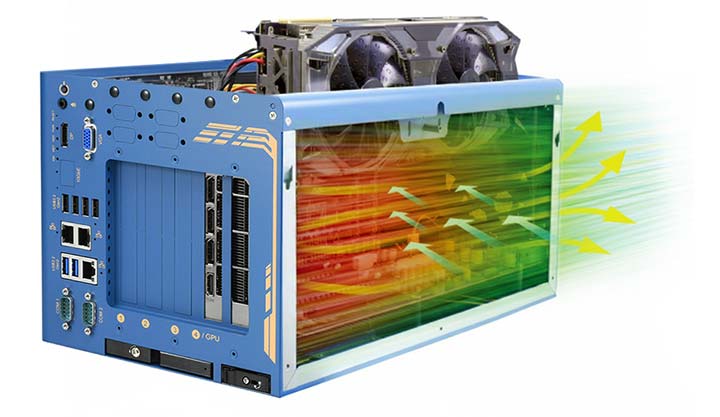
The GC series adopts a GPU-aware thermal design
Purpose-Built Thermal Architecture for High-Power AI Workloads
Heat management inside vehicles is inherently challenging. Ambient temperatures can be high, airflow is limited, and AI workloads place sustained demand on CPU/ GPU that generate substantial waste heat.
Adding complexity, GPU cooling designs vary widely—some rely on passive cooling, others use dual-fan or triple-fan configurations, each with different airflow directions and exhaust behavior. A one-size-fits-all enclosure design is simply not sufficient.
The GC series adopts a GPU-aware thermal design approach:
- Airflow paths are designed to match the cooling characteristics of each supported GPU.
- Internal thermal solution design ensures heat is efficiently removed from CPU, GPU, and the power circuitry.
- Mechanical rigidity is maintained without obstructing airflow, preserving both thermal and vibration performance.
This design enables GC systems to sustain high GPU utilization without thermal throttling, even in high-temperature in-vehicle environments.
High-Power Delivery Designed for Next-Generation GPUs
As AI models grow in complexity, GPU power requirements continue to rise. Supporting today's and tomorrow's high-compute GPUs requires more than just higher wattage—it demands stable, high-quality power delivery under challenging conditions.
The GC series is designed to:
- Accommodate modern high-performance GPUs with demanding power requirements
- Integrate high-quality power components that maintain stability during continuous, high-load operation
Stable Vehicle Electrical Power with RPM-450
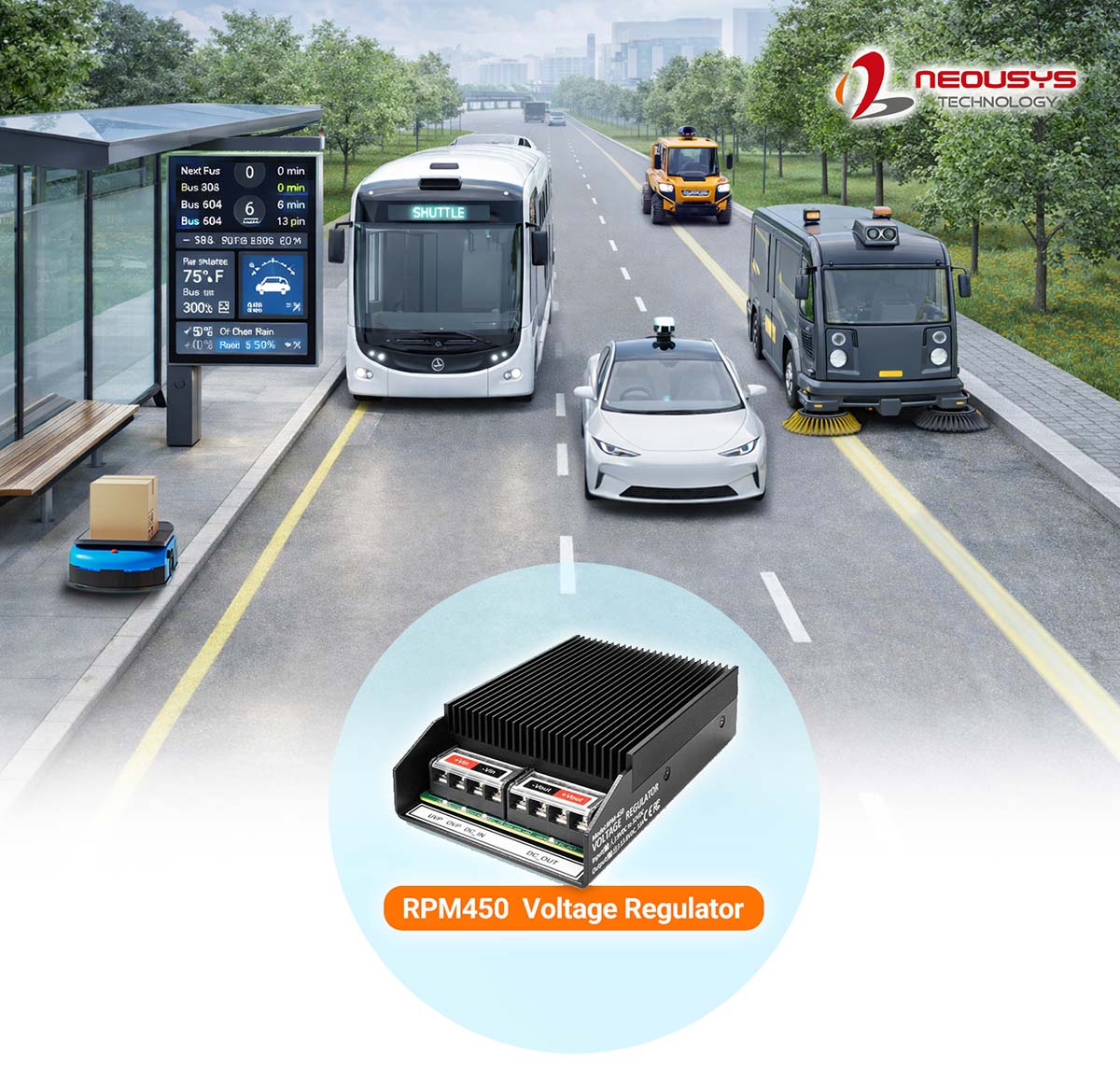
While the GC series focuses on system-level GPU reliability, certain deployments benefit from an additional layer of power conditioning—especially in vehicles where electrical power fluctuations are frequent.
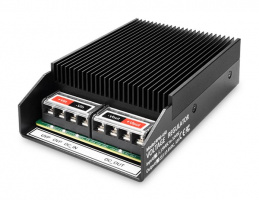
RPM-450 serves as a power gatekeeper at the system front end, enforcing strict voltage boundaries and ensuring that only clean and stable electrical power is allowed to reach downstream systems. Rather than passing through degraded, undervoltage, or overvoltage conditions, RPM-450 actively isolates connected devices from unstable vehicle power.
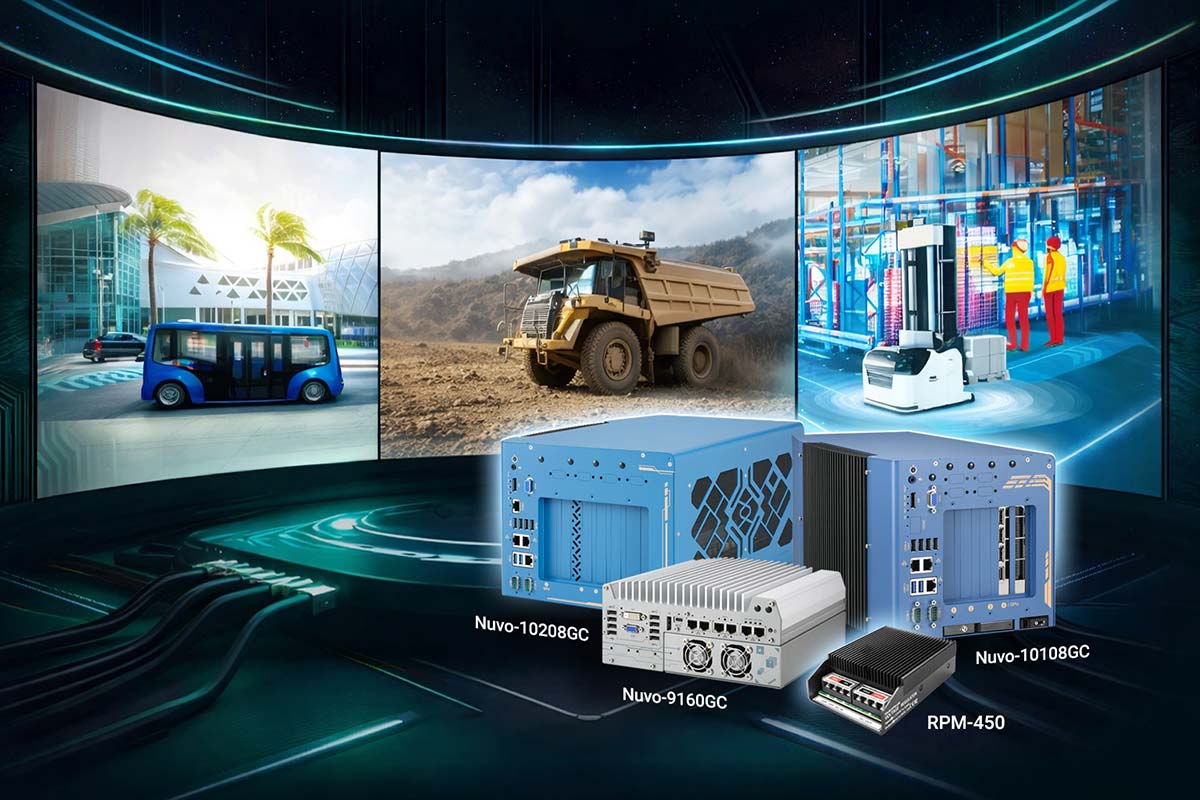
Designed to support Neousys’ GPU computing platforms such as Nuvo-10108GC and Nuvo-9160GC, RPM-450 provides a controlled and well-managed power interface for high-power system configurations, where reliable operation depends on predictable and regulated input power.
RPM-450 provides:
- Acceptance of wide vehicle electrical input voltage ranging from 9V to 32V
- 450W Full load power support even at 9V input
- Stable and clean 13.8V output to protect high-performance GPU systems and high-power devices
- Millisecond-level MCU monitor and smartly manage DC supply to backward devices with UVP/OVP/SCP/OCP protection
- Reliable operation in harsh temperatures from -25°C to 75°C
- Compatible with third-party IPCs
In these configurations, the RPM-450 complements the GC series by providing clean, consistent power delivery, enabling the system to fully leverage its high-power GPU design. Rather than treating power delivery as an afterthought, Neousys designs GC systems to ensure GPUs can operate at full performance—even when vehicle power conditions are far from ideal.
Conclusion: Designed for Real-World Deployment
The Neousys embedded GPU computers are built with a clear understanding of real world in-vehicle environments, not just theoretical specifications. By addressing vibration, thermal management, and GPU support as an interconnected system, the GC series delivers reliable AI computing where it matters most.
Combined with appropriate power solutions such as RPM-450 for specific system configurations, Neousys provides a complete, deployment-ready platform for autonomous driving, mobile AI, and edge inference applications in the harshest conditions.